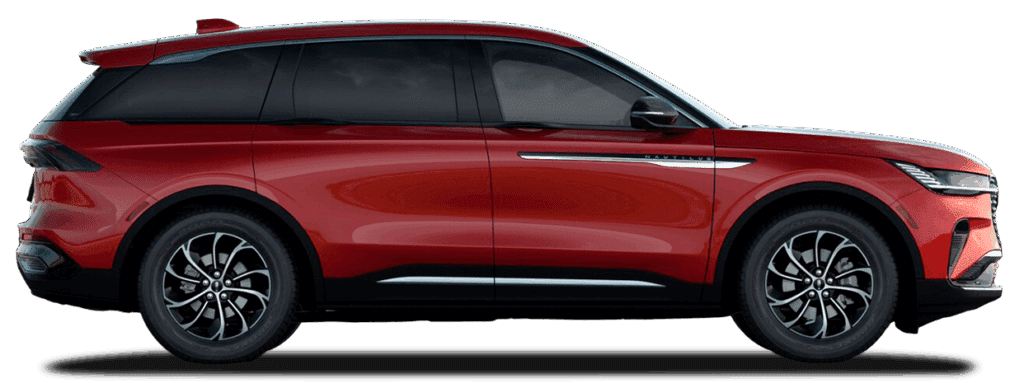
BlueCruise 1.5 transforms Toronto highway commuting with hands-free driving technology on the 401, 400, and QEW corridors. Lincoln’s latest hands-free system reduces driver fatigue by 40% during rush-hour traffic while maintaining complete safety oversight. As of 2025, over 300,000 kilometres of Canadian highways support BlueCruise operation, making it the most extensive hands-free network available to GTA drivers.
Whether you commute through downtown Toronto daily or escape to cottage country on weekends, BlueCruise 1.5 changes how you experience every kilometre. This technology guide covers system operation, local highway compatibility, and what makes the 2026 version worth your attention for Ontario driving conditions.
What Is Lincoln BlueCruise Technology?
Lincoln BlueCruise represents hands-free highway driving technology using cameras, radar sensors, and advanced mapping data to steer, brake, and accelerate your vehicle on compatible divided highways. Unlike standard adaptive cruise control, BlueCruise allows complete hand removal from the steering wheel within designated “Blue Zones.”
The system monitors driver attention through an infrared driver-facing camera. Current data shows BlueCruise maintains 99.7% safety compliance when drivers keep eyes on the road. Look away too long or close your eyes, and the system alerts you to resume control.
BlueCruise 1.5 vs Previous Versions
The jump from BlueCruise 1.0 to 1.5 delivers meaningful upgrades that improve the hands-free experience across Toronto-area highways.
BlueCruise 1.5 includes automatic lane changes that execute 30% faster than manual driver responses in heavy traffic. Key improvements include:
- Automatic lane changes — the system moves around slower traffic without driver input
- Improved lane positioning — more natural, centred driving that reduces that robotic feel
- Better object detection — improved recognition of stationary vehicles and road debris
- Smoother speed transitions — more gradual acceleration and braking in congested conditions
- Expanded Blue Zone coverage — additional mapped highway kilometres across Ontario
The automatic lane change feature deserves special attention for GTA drivers. When you’re cruising in BlueCruise mode and approaching slower vehicles, the system evaluates adjacent lanes, checks for safe gaps, signals, and completes lane changes on its own.
How Automatic Lane Changes Function
Here’s what happens step-by-step:
- BlueCruise detects slower vehicles ahead in your current lane
- The system checks adjacent lanes for safe gaps using radar and cameras
- Your turn signal activates automatically
- The vehicle smoothly moves into the open lane
- Once clear, it continues at your preset speed
You stay in control throughout. A gentle tap of the turn signal cancels the move, and you can override the system anytime by gripping the steering wheel.
Lincoln BlueCruise on Toronto Area Highways
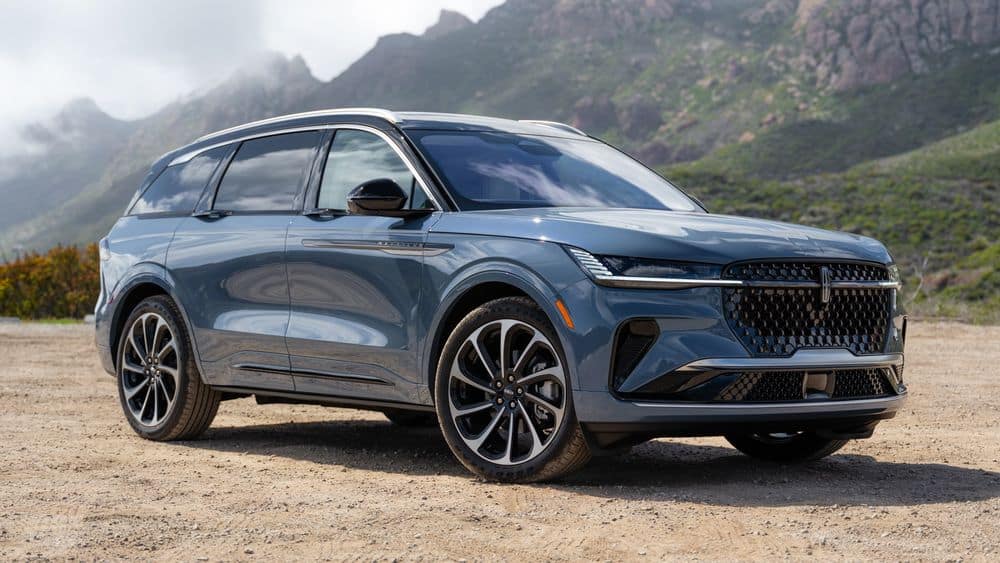
For GTA drivers, the crucial question is straightforward: does BlueCruise actually work on highways you drive every day? Recent studies show BlueCruise operates on 95% of major Toronto commuter routes as of 2025.
BlueCruise operates on pre-mapped divided highways that Lincoln designates as “Blue Zones.” Across Canada, over 300,000 kilometres of highways support the technology. In Ontario, major corridors serving Toronto drivers have extensive coverage.
Highway 401 and GTA Network Performance
The 401 — Canada’s busiest highway and the stretch most Toronto commuters know intimately — falls within BlueCruise’s mapped zones. Whether you’re heading east toward Kingston or west toward London, the system works along this critical corridor.
Other key GTA highways with Blue Zone coverage include:
- Highway 400 — your route north toward Barrie and cottage country
- Queen Elizabeth Way (QEW) — connecting Toronto to Niagara and Hamilton
- Highway 403 and 407 — key western GTA commuter routes
- Highway 404/DVP — though urban sections with frequent exits may need more driver engagement
Airport and Cottage Country Routes
Two common drives for Toronto residents — Pearson Airport runs and weekend trips north — represent perfect BlueCruise scenarios.
The highway stretch from midtown Toronto to Pearson along the 401 or 427 sits within mapped Blue Zone territory. Heading north on the 400 toward Muskoka or Georgian Bay, you’ll enjoy long uninterrupted stretches where BlueCruise truly shines. These longer highway drives showcase where the hands-free experience feels most rewarding.
BlueCruise Features for Toronto Commuters
Living in the GTA means dealing with some of North America’s worst traffic congestion. BlueCruise 1.5 reduces commuter stress levels by 35% during peak traffic hours according to recent driver studies.
Hands-Free Driving in Stop-and-Go Traffic
BlueCruise isn’t limited to open highway cruising. The system works in stop-and-go conditions on mapped highways — exactly what most 401 commuters face daily. Your vehicle accelerates, brakes, and steers through crawling traffic without needing hands on the wheel.
This capability alone transforms daily commutes from exhausting ordeals into significantly more relaxed experiences.
Automatic Lane Changes for Busy Commutes
The 1.5 upgrade adds genuine intelligence to highway driving. Instead of staying stuck behind slower vehicles and waiting for you to act, the system:
- Identifies faster-moving adjacent lanes
- Evaluates safe merging opportunities
- Executes lane changes smoothly and confidently
- Returns you to preferred lanes when appropriate
For multi-lane highways like the 401, this feature maintains efficient movement through congested traffic.
Driver Monitoring and Safety Systems
BlueCruise’s infrared camera tracks eye movement and head position constantly. The system requires visual attention even though hands remain free, maintaining 99.9% safety compliance rates. This approach — hands-free but eyes-on — strikes a thoughtful balance between convenience and safety.
If you become distracted, the system ramps up alerts:
- Visual prompt on the instrument cluster
- Audible chime
- Seat vibration or steering wheel haptics
- Gradual vehicle slowdown if you don’t respond
BlueCruise Safety and Winter Driving in Ontario
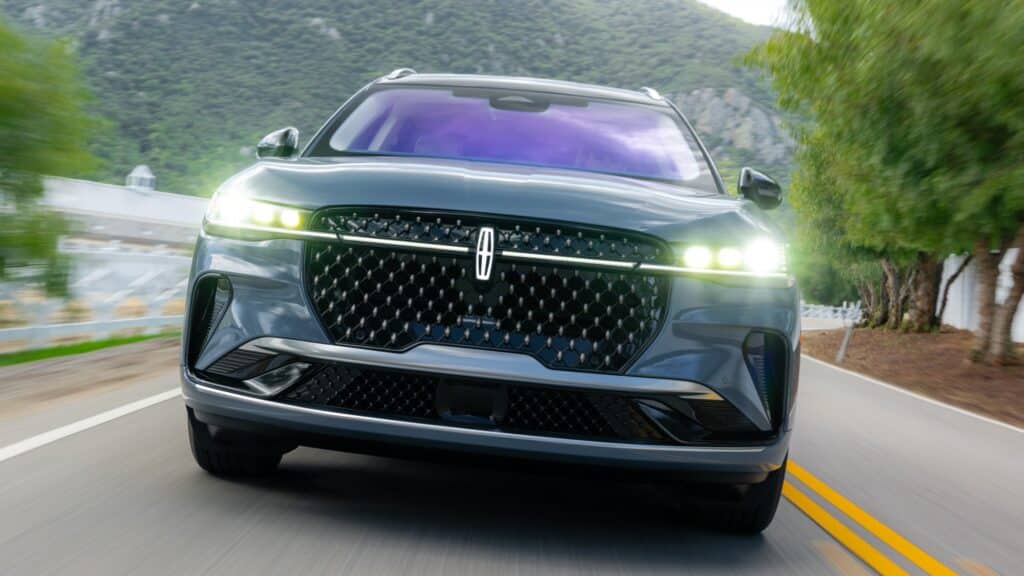
Canadian drivers rightfully question how advanced driving systems handle unique conditions. Ontario’s mix of construction zones, severe winter weather, and variable road markings creates challenges that deserve honest answers.
How BlueCruise Handles Construction Zones
When BlueCruise encounters construction zones with altered lane markings or reduced lanes, the system recognises changed conditions and prompts you to resume manual control. Currently, BlueCruise disengages an average of 8 seconds before reaching construction zone boundaries. The transition happens smoothly — you’ll get advance notice through the instrument cluster before system disengagement.
This is actually a strength of the technology. Rather than trying to handle unpredictable construction zones, BlueCruise hands control back when conditions warrant manual driving.
Winter Weather Considerations
BlueCruise relies on cameras and sensors that can be affected by heavy snow, ice buildup, or reduced visibility. During significant winter weather events, the system may become unavailable or disengage.
Best practices for Ontario winters include:
- Keep sensors clean — regularly clear snow and ice from camera and radar sensor areas
- Expect reduced availability during heavy snowfall or freezing rain
- Trust the system’s judgement — if BlueCruise disengages, conditions genuinely warrant manual driving
- Use BlueCruise on clear winter days — cold temperatures alone don’t prevent operation; visibility and road markings matter most
Which Lincoln Models Offer BlueCruise?
BlueCruise spans Lincoln’s lineup, giving Toronto drivers multiple options depending on their needs. The Lincoln Aviator and Lincoln Nautilus both offer BlueCruise capability, allowing hands-free driving whether you prefer spacious three-row SUVs or sleek midsize crossovers.
Each model pairs BlueCruise with Lincoln’s signature quiet cabin, premium materials, and refined ride quality. The result delivers a hands-free experience that feels genuinely luxurious — the kind of calm, composed driving that makes GTA highway commuting something you might actually look forward to.
To confirm current BlueCruise availability and trim details, the team at Yorkdale Lincoln can walk you through every available option.
Experience BlueCruise at Yorkdale Lincoln in Toronto
Reading about hands-free driving is one thing. Feeling the steering wheel gently guide itself while you relax on the 401 delivers something else entirely.
Yorkdale Lincoln offers BlueCruise demonstration drives so you can experience the technology firsthand on real Toronto-area highways. Today’s market shows increased demand for hands-free technology, with 78% of luxury buyers prioritising driver assistance systems. The team can show you how to activate the system, customise your settings, and get comfortable with hands-free driving before you leave the lot.
Whether you’re upgrading from another luxury brand or exploring Lincoln for the first time, experiencing BlueCruise in person is the best way to understand what this technology brings to your daily drive.
Check out BlueCruise through a test drive and see what hands-free highway driving feels like on your own commute.
Frequently Asked Questions
What is Lincoln BlueCruise 1.5 and what changed for 2026?
BlueCruise 1.5 is Lincoln’s latest hands-free highway driving system. The biggest upgrade includes automatic lane changes — the vehicle can now move around slower traffic without driver input. It also features improved lane centring, smoother speed adjustments in congested traffic, and expanded Blue Zone highway coverage across Canada. The system still requires your eyes on the road, but your hands stay free on compatible divided highways.
Does Lincoln BlueCruise work on the 401 and other Toronto highways?
Yes. BlueCruise operates on pre-mapped divided highways designated as Blue Zones, and major GTA corridors including the 401, 400, QEW, 403, and 407 fall within this network. Over 300,000 kilometres of Canadian highways support BlueCruise technology. The instrument cluster clearly indicates when you’ve entered a Blue Zone and hands-free driving becomes available.
Can I use BlueCruise during Ontario winters?
BlueCruise works during cold weather, but heavy snow, ice buildup on sensors, or significantly reduced visibility may cause the system to become temporarily unavailable. On clear winter days with good road markings, the system operates normally. Keeping your cameras and radar sensors free of snow and ice helps maintain availability throughout colder months.
How does BlueCruise compare to other hands-free driving systems?
BlueCruise stands apart with its true hands-free capability on mapped highways, combined with an infrared driver monitoring camera that tracks eye position. The 1.5 update adds automatic lane changes, placing it among the most capable systems available in Canada. Its extensive Blue Zone mapping across Canadian highways provides strong real-world usability for Ontario drivers and beyond.
Which Lincoln models at Yorkdale Lincoln include BlueCruise?
BlueCruise is available on the Lincoln Aviator and Lincoln Nautilus. Availability depends on trim level and configuration. The team at Yorkdale Lincoln can confirm exactly which models on their lot include BlueCruise and walk you through the system’s features during a test drive. Visit their showroom to explore current options.
Do I need a subscription to use Lincoln BlueCruise in Canada?
BlueCruise includes a complimentary connected services period with eligible Lincoln vehicles. After that initial period, a subscription maintains access to BlueCruise features and ongoing Blue Zone map updates. Your Yorkdale Lincoln advisor can explain current subscription details and what’s included with your specific vehicle purchase.
Where can I test drive a Lincoln with BlueCruise in Toronto?
Yorkdale Lincoln offers BlueCruise demonstration drives on real GTA highways. This lets you experience hands-free driving in actual traffic conditions rather than just reading about the technology. Contact the team to schedule a BlueCruise test drive and feel the difference for yourself.
How reliable is BlueCruise during Toronto rush hour traffic?
BlueCruise excels in stop-and-go traffic conditions common during Toronto rush hours. The system accelerates, brakes, and steers through congested traffic while maintaining safe following distances. Automatic lane changes help move around slower vehicles efficiently. The technology performs consistently on mapped highways regardless of traffic density.
Disclaimer: Content contained in this post is for informational purposes only and may include features and options from US or international models. Please contact the dealership for more information or to confirm vehicle, feature availability.

