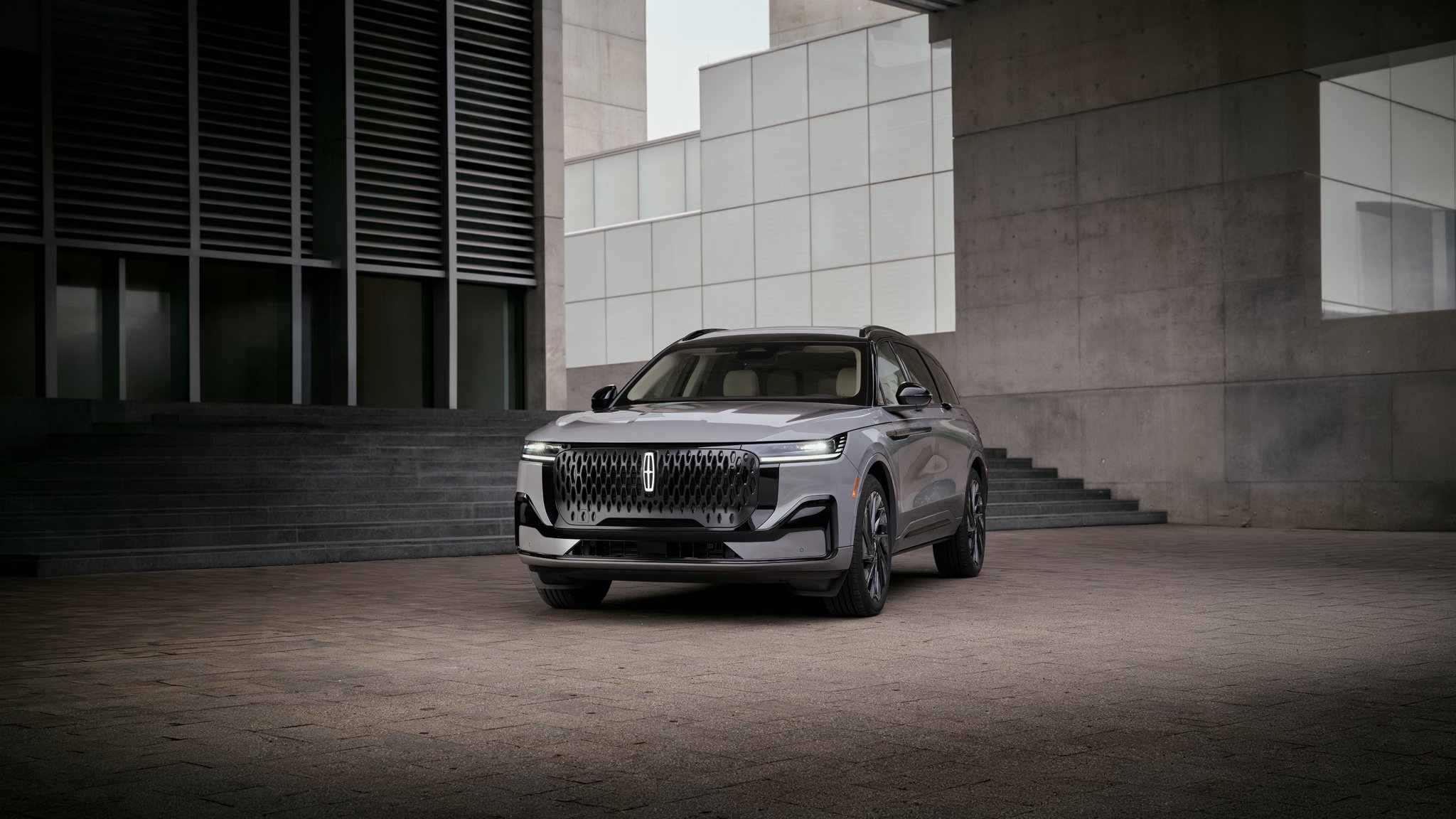
The difference between a hybrid and a plug-in hybrid is the plug. A plug-in hybrid has a larger battery that you charge from an outlet. A conventional hybrid charges itself as you drive and never needs a cord. Below, you’ll see how each type works and which one suits different Toronto driving habits. You’ll also see where the available hybrid in the Lincoln Nautilus inventory at Yorkdale Lincoln fits.
Hybrid vs Plug-in Hybrid in Plain Terms
Both types start from the same place. Each one pairs a gas engine with an electric motor and a battery. What sets them apart is how that battery gets its energy and what you do at the end of the day.
How a Conventional Hybrid Works
A conventional hybrid is sometimes called a full hybrid. Its smaller battery recharges on its own, mostly from energy captured when you brake and from the gas engine itself. The vehicle decides when to use electric power, gas power or both. You just fill up at the pump. There’s no outlet, no cable and no charging schedule to plan around.
How a Plug-In Hybrid Works
A plug-in hybrid, or PHEV, also pairs a gas engine with an electric motor. It carries a larger battery, though, and you top that up from a home charger or a public station. With a charged battery, a PHEV can cover shorter trips on electricity alone. Once that charge is used, it carries on like a regular hybrid.
Side by Side
| Feature | Conventional hybrid | Plug-in hybrid | Electric vehicle |
|---|---|---|---|
| Plugs into an outlet | No | Yes | Yes |
| Has a gas engine | Yes | Yes | No |
| How the battery charges | While you drive | From an outlet, plus while you drive | From an outlet, plus while braking |
| Daily routine | Fill up with gas | Plug in and fill up | Plug in |
Which Hybrid vs Plug-in Hybrid Setup Fits Your Toronto Driving

The hybrid vs plug-in hybrid choice usually depends on where you park and how you drive. Each type suits a different routine, and the hybrid vs plug-in hybrid decision gets easier to settle once you know yours. A hybrid vs plug-in hybrid comparison starts with your parking spot.
A plug-in hybrid fits you well if:
- You have a garage or driveway where you can charge overnight
- Most of your weekday trips are short
- You like plugging in as part of your evening routine
A conventional hybrid fits you well if:
- You want electric assistance with nothing to plug in
- You park on the street or in a shared condo garage
- You’d rather fill up and go wherever the day takes you
- Charging stations aren’t part of your regular route
Short City Commutes
Plenty of North York drivers run short loops. Think of a trip to Yorkdale Mall, a school drop-off or a quick run down the Allen Expressway. With home charging, a plug-in hybrid can handle many of those trips on electricity. A conventional hybrid suits city driving too. Stop-and-go traffic gives it plenty of chances to recapture energy when braking, and it asks nothing of you once you’re parked.
Longer Highway Drives
On longer runs along the 401, both types lean on their gas engines for much of the trip. A conventional hybrid refuels at the pump like any gas vehicle, with nothing to plug in. A plug-in hybrid suits highway drivers who also charge at home: it covers the daily commute on electricity and the long weekend trip on gas.
Where the Lincoln Nautilus Hybrid Fits

Where does the Nautilus land in the hybrid vs plug-in hybrid picture? On the hybrid side. The available hybrid in the Nautilus is a conventional hybrid that never plugs in. If you want electric assistance without any charging routine, Lincoln Canada lists an available hybrid for the Nautilus that never plugs in.
Here’s what Lincoln Canada lists for the Nautilus:
- A 2.0L gas engine, plus an available 2.0L High Output Turbocharged Hybrid
- Up to 310 hp (231 kW) from the hybrid powertrain
- All-Wheel Drive as standard
- Two trims, Premiere and Reserve
- Lincoln BlueCruise, the Lincoln Security Package and the Lincoln Connectivity Package, each with 4 years included and standard on Premiere
Lincoln Canada also notes that the available hybrid powertrain can achieve more horsepower than the conventional gas engine. So the hybrid brings extra muscle without a cord in your garage. The Corsair Hybrid is the other full hybrid in the Lincoln family, and you can read more in our look at the 2027 Corsair Hybrid.
For the bigger picture, see what the 2027 Lincoln lineup includes in Canada. For the cabin, read our guide to the 2027 Lincoln Nautilus interior. For winter traction, this look at AWD vs 4WD in Canadian winters explains how all-wheel drive helps. The Yorkdale Lincoln team can answer questions about the Nautilus powertrains.
Experience the Nautilus Hybrid Near Yorkdale
Yorkdale Lincoln sits near Yorkdale Mall, close to the 401 and Allen Expressway. It welcomes drivers from North York, Downsview, Lawrence Park and Bathurst Manor, so you can feel the hybrid difference for yourself.
If you want hybrid power with nothing to plug in, the Nautilus hybrid is ready to celebrate your everyday drive. Browse the Nautilus inventory at Yorkdale Lincoln and Experience the Difference.
Frequently Asked Questions
What is the difference between a plug-in hybrid and a hybrid?
A plug-in hybrid has a larger battery you charge from an outlet, while a conventional hybrid charges its own battery as you drive. Both pair a gas engine with an electric motor. With a full charge, a plug-in hybrid can handle shorter trips on electricity alone before the gas engine takes over. A conventional hybrid blends gas and electric power automatically, and you only ever fill up at the pump. In Toronto, the choice often comes down to whether you have a convenient place to charge.
Which is better a plug-in hybrid or a hybrid?
Neither type is better for everyone, because each one suits a different routine. A plug-in hybrid fits drivers with home charging who like plugging in each night and running short trips on electricity. A conventional hybrid fits drivers who want electric assistance with no cables, no charging stops and nothing new to learn. Where you park overnight and how you spend most of your drive time will point you toward one or the other.
Which is better, a hybrid or a plug-in hybrid?
Neither is better for everyone: a hybrid suits drivers who do not want to plug in, and a plug-in hybrid suits drivers who charge at home. That’s the approach Lincoln takes with the Nautilus. Its available 2.0L High Output Turbocharged Hybrid never needs a plug. You fill up, drive and let the system manage the battery. A test drive at Yorkdale Lincoln lets you feel the conventional hybrid experience firsthand.
Which one is better a plug-in hybrid or an electric vehicle?
Neither is better for everyone. A plug-in hybrid suits drivers who want electric driving plus a gas engine for longer trips, while an electric vehicle suits drivers who want to run on electricity alone. An EV has no gas engine, so all of its energy comes from charging. A PHEV gives you both power sources in one vehicle. If you’d like electric assistance without charging, the available hybrid in the Nautilus is a good place to start.
Does the Lincoln Nautilus hybrid need to be plugged in?
No, the Nautilus hybrid never needs to be plugged in. Its available 2.0L High Output Turbocharged Hybrid is a conventional hybrid, so the battery recharges on its own while you drive. You simply fill up with gas, the same as any gas vehicle. That makes it easy to live with, whether you park in a condo garage or a driveway in Lawrence Park. The Yorkdale Lincoln team is happy to show you how it works.
How much horsepower does the 2027 Lincoln Nautilus hybrid make?
Lincoln Canada lists the available 2.0L High Output Turbocharged Hybrid at up to 310 hp (231 kW). Lincoln Canada lists All-Wheel Drive for the Nautilus hybrid powertrain. Lincoln also notes that the available hybrid powertrain can achieve more horsepower than the conventional gas engine. The Nautilus comes in Premiere and Reserve trims. The Yorkdale Lincoln team can confirm the powertrain on any vehicle you’re considering.
Disclaimer: Content contained in this post is for informational purposes only and may include features and options from US or international models. Please contact the dealership for more information or to confirm vehicle and feature availability.

