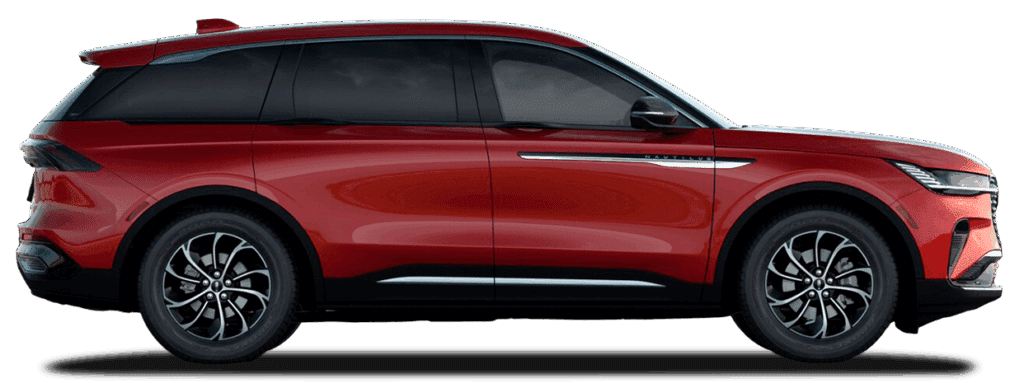
The Lincoln Nautilus vs BMW X3 decision comes down to luxury philosophy. Both sit in the mid-size luxury segment, offer all-wheel drive, and promise premium ownership experiences, but they deliver differently. Toronto buyers choosing between these SUVs get fundamentally different approaches to luxury.
Shopping in the Toronto area? This comparison addresses what matters most to Canadian buyers: comfort, technology, winter capability, and overall value. By the end, you’ll know which SUV matches your lifestyle.
How the Nautilus and X3 Approach Luxury Differently
Before we look at specifications, understanding each vehicle’s philosophy helps clarify the choice ahead.
Lincoln Nautilus Puts Quiet Comfort First
The Nautilus focuses on cabin serenity above all else. Lincoln’s luxury approach emphasises whisper-quiet interiors, plush seating, and smooth rides. For daily commutes through Toronto traffic on the 401 or DVP, this philosophy delivers immediate benefits.
Lincoln equips the Nautilus with standard all-wheel drive in Canada, turbocharged power, and interiors designed for passenger comfort over sporty dynamics. This SUV wants you arriving refreshed, not exhausted.
BMW X3 Champions Driver Engagement First
The X3 pursues active driving enjoyment through every component. BMW’s reputation centres on driving dynamics, and the X3 delivers that DNA. Steering response, throttle mapping, and chassis tuning connect drivers to the road experience.
Both philosophies work. The question is which matches your priorities.
Interior Space Materials and Passenger Comfort in the Lincoln Nautilus vs BMW X3
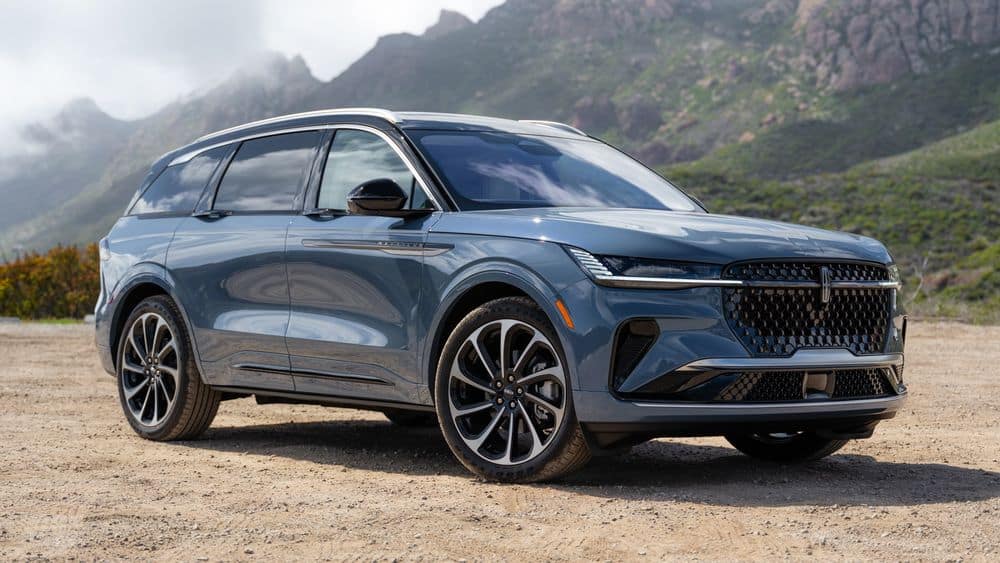
This category reveals the biggest differences between these luxury SUVs.
Cabin Design and Atmosphere
The Nautilus features a panoramic digital display creating immediate visual impact. Lincoln designed interiors around minimalism and tranquillity — soft surfaces, quality materials, and ambient lighting throughout. The centre console remains clean and uncluttered.
The X3 interior focuses on driver orientation. Controls angle toward whoever’s driving, emphasising function and precision. BMW uses premium materials too, but creates a sportier, more structured environment compared to the Nautilus’s lounge-like feel.
Seating and Passenger Space
Lincoln traditionally excels at seating comfort, and the Nautilus continues this strength. Front seats provide generous cushioning for extended drives. Rear passengers enjoy solid legroom — important for families or professional transport around Toronto.
The X3 offers competitive space with firmer seating that aligns with BMW’s sport orientation. Both accommodate five passengers comfortably.
Cargo Capacity
Both deliver practical cargo space for errands, weekend trips, and IKEA runs. The Nautilus provides wide, flat cargo loading behind rear seats. The X3 matches this practicality with well-shaped cargo areas. Power liftgates are available on both.
For GTA families juggling school runs, hockey equipment, and weekend adventures, either SUV handles daily demands effectively.
Technology and Infotainment Two Different Experiences
Modern luxury SUVs succeed or fail on technology implementation, where Lincoln and BMW have invested differently.
Lincoln SYNC vs BMW iDrive Systems
The Nautilus uses SYNC-based infotainment across its wide digital screen. The interface focuses on intuitive operation with large icons and straightforward menus. Lincoln concentrates on easy learning curves for less tech-savvy drivers.
BMW’s iDrive ranks among luxury’s most established platforms. It offers deep customisation, sharp graphics, and multiple inputs including rotary controllers, touchscreens, and voice commands. Tech enthusiasts who enjoy personalising digital experiences find iDrive rewarding.
Smartphone Integration and Driver Assistance
Both provide wireless Apple CarPlay and Android Auto — essential for Toronto commuters using navigation apps, music streaming, and hands-free calls.
Current driver assistance packages on both SUVs include adaptive cruise control, lane-keeping assistance, and automatic emergency braking. Lincoln offers ActiveGlide hands-free highway driving on compatible mapped roads, reducing fatigue on 400-series highways. BMW provides similar highway assistance capabilities.
Canadian Winter Performance AWD Systems Compared
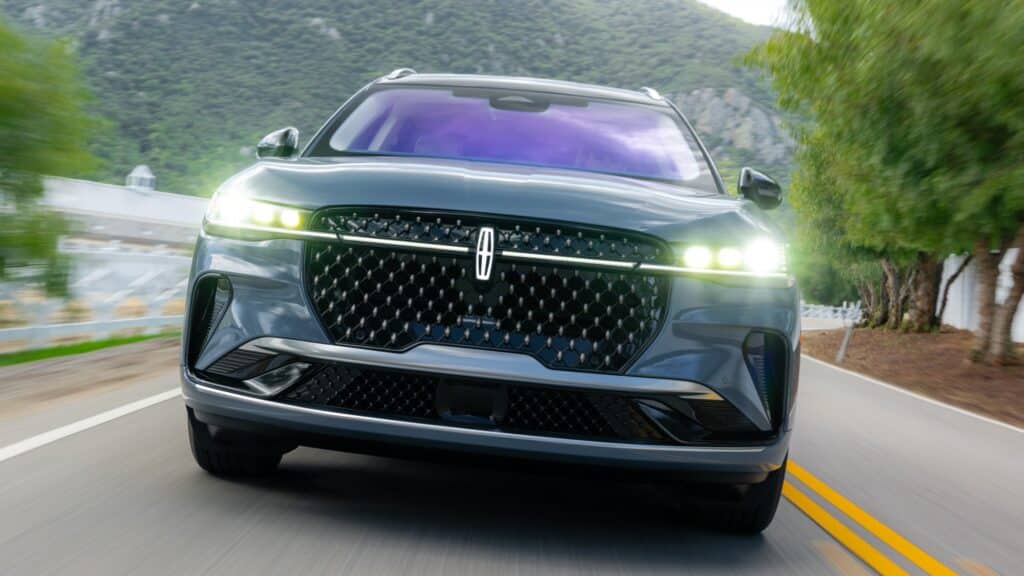
Toronto winters demand capable all-wheel-drive systems. Both deliver, but with different philosophies.
Lincoln’s AWD Approach
The Nautilus includes standard all-wheel drive across Canada. Lincoln’s system works transparently, distributing torque for traction on snow, ice, and wet roads. The emphasis targets stability and confidence rather than sporty power distribution.
BMW xDrive System
BMW’s xDrive handles winter conditions capably while maintaining dynamic driving characteristics. The system shifts torque between axles quickly, helping winter traction and dry-condition cornering equally.
Winter Driving in the GTA
For typical Toronto winter conditions — salted highways, slushy streets, occasional unploughed neighbourhood roads — both AWD systems perform admirably. Pairing either vehicle with proper winter tyres creates confident January and February driving.
The Nautilus’s softer suspension absorbs pothole-riddled winter roads more gracefully. The X3’s firmer setup maintains road connection. Preference determines the winner here.
Warranty and Ownership Experience
Coverage and Service
Lincoln offers competitive Canadian warranty coverage including extensive protection and powertrain coverage. Lincoln includes complimentary scheduled maintenance periods, simplifying early ownership costs.
BMW provides similar warranty protection with different maintenance coverage details. Compare specific terms at each dealership, as programmes change by model year.
Service Convenience in Toronto
Service accessibility matters for Toronto buyers. Lincoln SUV service provides convenient maintenance across the GTA. Pickup and delivery service adds convenience where available.
BMW’s GTA dealer network is well-established, ensuring service access with either brand.
Which SUV Fits Your Toronto Lifestyle
After comparing across major categories, the decision depends on what you value most.
Choose the Nautilus If You Want
- Serene, quiet cabins shielding you from Toronto’s noise and congestion
- Smooth, comfort-oriented rides tuned for relaxation
- Striking, modern interiors with panoramic digital displays
- Standard all-wheel drive without upselling
- Lincoln’s hands-free highway capability reducing 400-series fatigue
- Complimentary scheduled maintenance coverage
Choose the X3 If You Want
- Engaging dynamics making every trip feel purposeful
- Sport-tuned chassis with responsive steering
- BMW’s established iDrive system
- Driver-focused cockpit layouts
- Strong luxury brand recognition
Both represent excellent luxury SUVs built for Canadian conditions. Neither choice is wrong — they serve different priorities.
Your Next Step
Experience both from behind the wheel. Specifications guide you, but seat time tells the complete story.
Explore Lincoln Nautilus inventory and book test drives to feel the difference yourself. The Yorkdale Lincoln team can explain every feature, answer questions, and help you find the right configuration for Toronto driving needs.
Consider how the Lincoln Nautilus hybrid performance might suit your daily commute, or explore Lincoln Black Label features for maximum luxury.
Frequently Asked Questions
What separates the Lincoln Nautilus from the BMW X3?
The primary difference lies in luxury philosophy. The Nautilus focuses on quiet, comfortable cabin experiences with smooth rides and panoramic displays. The X3 emphasises driving engagement through sportier handling and driver-focused cockpits. Both offer all-wheel drive, advanced safety technology, and premium interiors, delivering luxury through different approaches.
Which handles Canadian winters better between these SUVs?
Both perform excellently in Canadian winter conditions with proper winter tyres. The Nautilus offers standard all-wheel drive focused on stability and smooth traction management. BMW’s xDrive system equals this capability while maintaining sportier characteristics. For typical Toronto winter driving on salted highways and slushy streets, either keeps you confident and controlled.
Is the Nautilus or X3 better for Toronto families?
Both seat five passengers with practical cargo space for family life. The Nautilus tends to offer more relaxed rear-seat experiences with generous cushioning, benefiting younger passengers and longer trips. The quiet cabin makes family conversation easier during road trips. The X3 provides similar practicality with firmer, sportier characteristics throughout.
How do their infotainment systems compare?
The Nautilus features SYNC-based systems across wide panoramic screens, designed for simplicity and visual impact. BMW’s iDrive offers deep customisation with multiple input methods including rotary controllers, touchscreens, and voice commands. Both support wireless Apple CarPlay and Android Auto. Lincoln’s system learns quickly, while BMW’s rewards personalisation enthusiasm.
Does the Nautilus offer hands-free driving technology?
Yes. It offers Lincoln’s ActiveGlide system enabling hands-free driving on compatible mapped highway sections. This feature significantly reduces fatigue on long highway stretches, including 400-series routes around the GTA. BMW offers similar highway driving assistance. Both systems require driver attention but reduce physical demands of extended highway commutes.
What fuel economy differences exist between these SUVs?
As of 2025, both SUVs offer competitive fuel economy in their respective segments. The Nautilus hybrid variant provides particularly efficient operation for Toronto commuting. Specific fuel consumption varies by engine choice, driving conditions, and individual driving habits. Test driving both vehicles under your typical Toronto driving conditions provides the most accurate efficiency assessment.
Which SUV holds its value better in the Canadian market?
Both Lincoln and BMW maintain strong resale values in the Canadian luxury SUV market. BMW traditionally holds slightly stronger resale values due to brand recognition, while Lincoln has been improving residual values through recent quality improvements and design updates. Current market data shows both brands competing effectively for long-term value retention.
How do maintenance costs compare between the Nautilus and X3?
Lincoln includes complimentary scheduled maintenance for initial ownership periods, reducing early costs. BMW’s maintenance costs are typically higher after warranty periods, reflecting the brand’s performance orientation. Both vehicles benefit from extensive warranty coverage during early ownership. Lincoln service provides detailed maintenance information for cost planning.
Disclaimer: Content contained in this post is for informational purposes only and may include features and options from US or international models. Please contact the dealership for more information or to confirm vehicle, feature availability.

